

Artificial Intelligence is evolving faster than ever. In 2026, AI tools are no longer just chatbots that answer questions — they have become powerful digital assistants capable of research, coding, automation, and even building full applications.
As someone who actively studies and experiments with new AI technologies, I constantly test the latest tools to see which ones actually improve productivity.
In this article, I’ll share the 5 best AI tools in 2026 that entrepreneurs, freelancers, and tech-savvy professionals should be using right now.
These tools were selected based on:
- Productivity impact
- Real-world usability
- Innovation
- Ecosystem integration
If you want to work faster, think smarter, and automate repetitive tasks, these AI tools will completely transform your workflow.
Why Your Workflow Needs an AI Overhaul in 2026
The Shift from Chatbots to Agentic AI
Just a few years ago, AI tools were simple chatbots that answered questions or generated text. Today, we are entering the era of Agentic AI — systems that can plan, reason, execute tasks, and even collaborate with other tools.
Instead of simply responding to prompts, modern AI tools can:
- Conduct deep research
- Analyze complex data
- Build software
- Automate workflows
- Generate multimedia content
In other words, AI is no longer just an assistant — it is becoming a digital coworker.
The Problem: Information Overload
Professionals today face three major challenges:
- Too many tools
- Too much information
- Too little time
Switching between apps, searching for answers, and managing workflows can reduce productivity significantly.
The Solution: A Curated AI Tool Stack
After testing dozens of platforms, I have curated five AI tools that genuinely move the needle for productivity.
These tools cover nearly every professional need:
- Research
- Writing
- Coding
- Automation
- Creative work
Let’s look at them.
The Best AI Tools of 2026: At a Glance
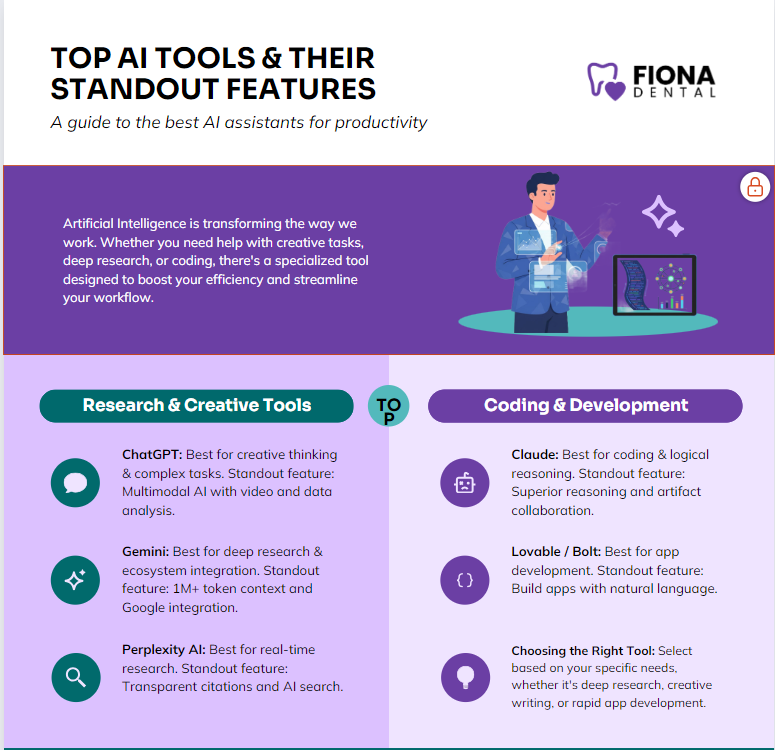
| Tool Name | Best For | Standout Feature |
| ChatGPT | Creative thinking & complex tasks | Multimodal AI with video, data analysis |
| Gemini | Deep research & ecosystem integration | 1M+ token context and Google integration |
| Claude | Coding & logical reasoning | Superior reasoning and artifact collaboration |
| Perplexity AI | Real-time research | Transparent citations and AI search |
| Lovable / Bolt | App development | Build apps with natural language |
1. ChatGPT (OpenAI) – The All-in-One Powerhouse
Why It’s Still the Leader in 2026
Why It’s Still the Leader in 2026
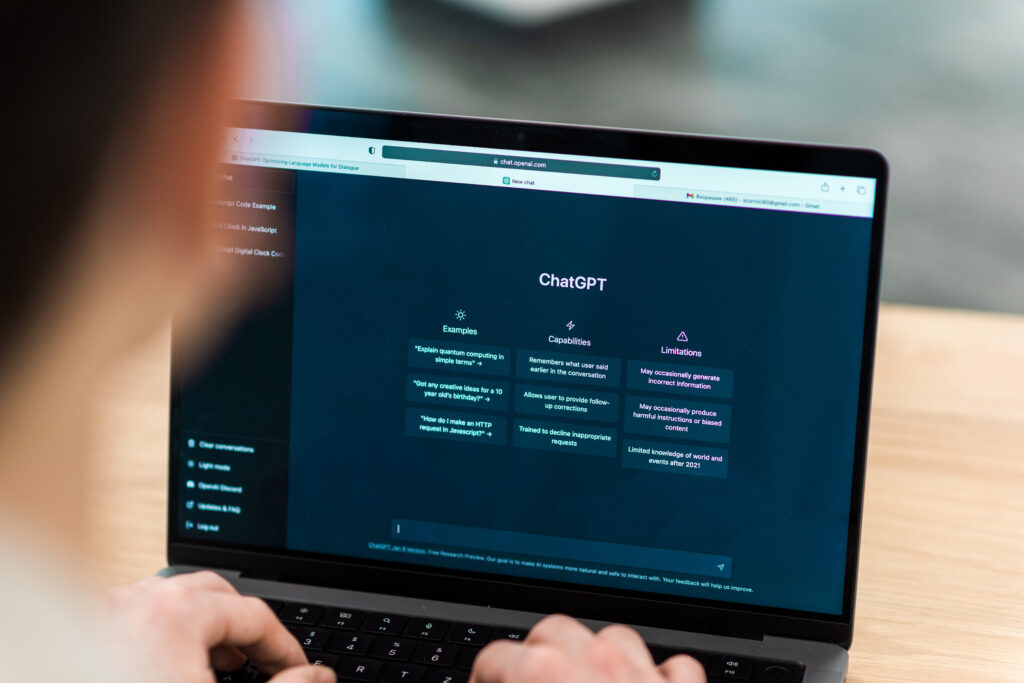
Even with many competitors entering the AI space, ChatGPT remains one of the most powerful AI tools available.
What makes it unique is its ability to combine multiple capabilities into one platform:
- Writing
- Coding
- research
- design
- automation
In my own workflow, I use ChatGPT for brainstorming blog topics, generating outlines, and solving technical problems.
Key Features: From Sora 2 Video to Advanced Data Analysis
ChatGPT in 2026 includes several powerful features:
Sora 2 Video Generation
Users can now generate high-quality videos from text prompts.
Advanced Data Analysis
Upload spreadsheets or datasets and ChatGPT can:
- analyze trends
- build charts
- generate insights
Multimodal AI
ChatGPT understands:
- text
- images
- files
- code
- video prompts
Best for:
Creative brainstorming and complex problem solving.
2. Gemini (Google) – The King of Ecosystem Integration
Deep Research and 1-Million+ Token Context Windows
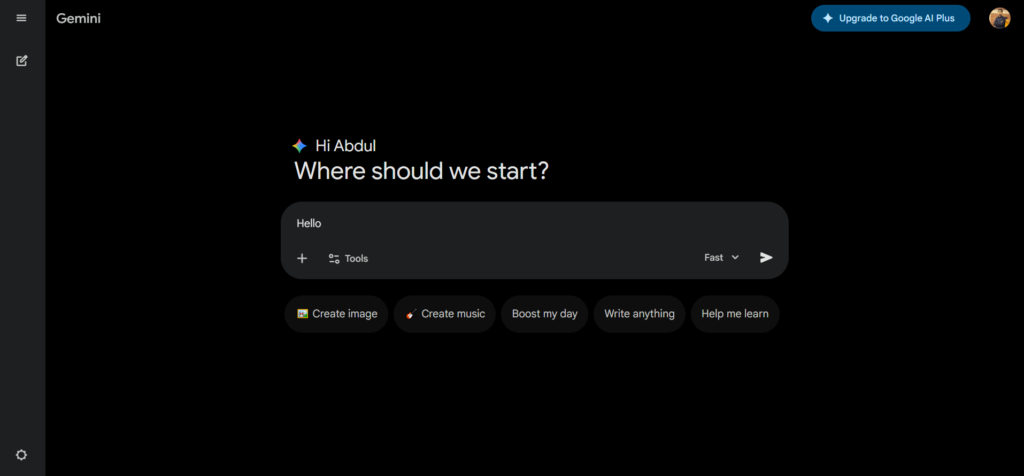
Gemini has become one of the most powerful AI research tools available.
With its massive context window, Gemini can analyze extremely large documents, making it ideal for:
- researchers
- analysts
- enterprise teams
You can upload entire reports, PDFs, or datasets and receive comprehensive summaries.
Seamless Workflow: Docs, Gmail, and Drive Integration
One of Gemini’s biggest advantages is its integration with Google’s ecosystem.
Gemini can:
- summarize Gmail threads
- write documents in Google Docs
- analyze spreadsheets in Google Sheets
- search files in Google Drive
For professionals already using Google Workspace, this integration makes Gemini extremely powerful.
Best for:
Deep research and enterprise-level productivity
3. Claude (Anthropic) – The Reasoning & Coding Specialist
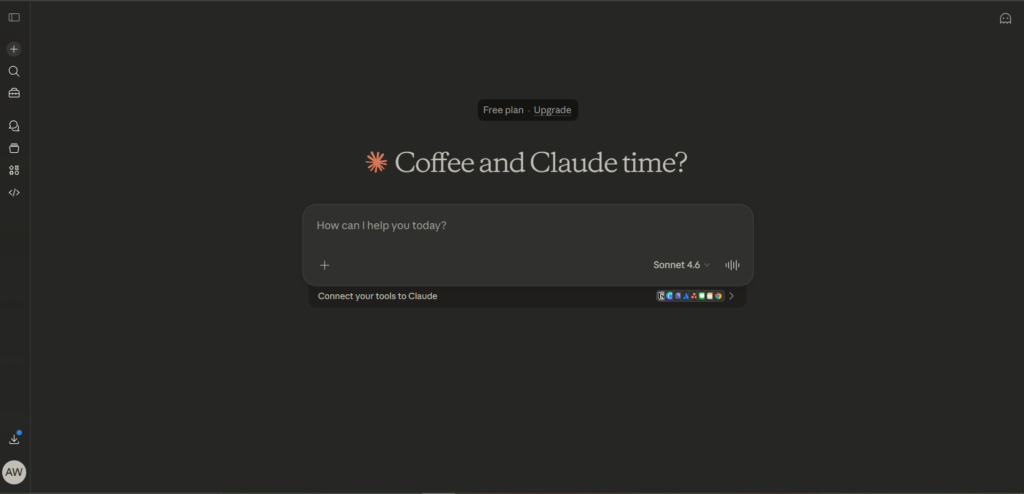
Human-Like Nuance and Superior Code Generation
Claude has quickly become a favorite among developers and writers because of its advanced reasoning abilities.
Compared to many AI tools, Claude produces:
- more structured responses
- cleaner code
- more thoughtful analysis
Developers especially appreciate Claude for debugging and explaining complex code.
Artifacts: The Future of Real-Time Collaboration
One of Claude’s standout innovations is Artifacts.
Artifacts allow users to:
- edit code
- refine documents
- collaborate with AI in real time
Instead of repeatedly copying and pasting prompts, users can build projects interactively with AI assistance.
Best for:
Technical writing, coding, and logical analysis.
4. Perplexity AI – The Answer Engine That Replaced Search
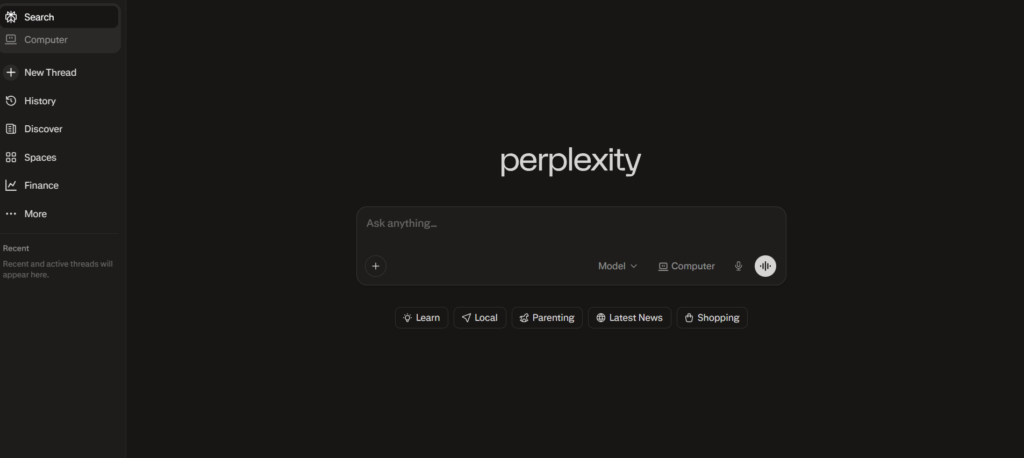
Real-Time Information with Transparent Citations
Traditional search engines often require users to open multiple websites before finding useful information.
Perplexity changes this by acting as an AI-powered answer engine.
It provides:
- direct answers
- summarized research
- clickable citations for verification
This makes it incredibly useful for professionals who need fast and accurate information.
Pages: Turning Research into Instant Content
Perplexity introduced a feature called Pages, which allows users to convert research results into structured content.
For bloggers and writers, this feature can:
- generate article drafts
- summarize research topics
- create knowledge hubs
Best for:
Fact-checking and real-time news gathering.
5. Lovable / Bolt – The “Vibe-Coding” Revolution
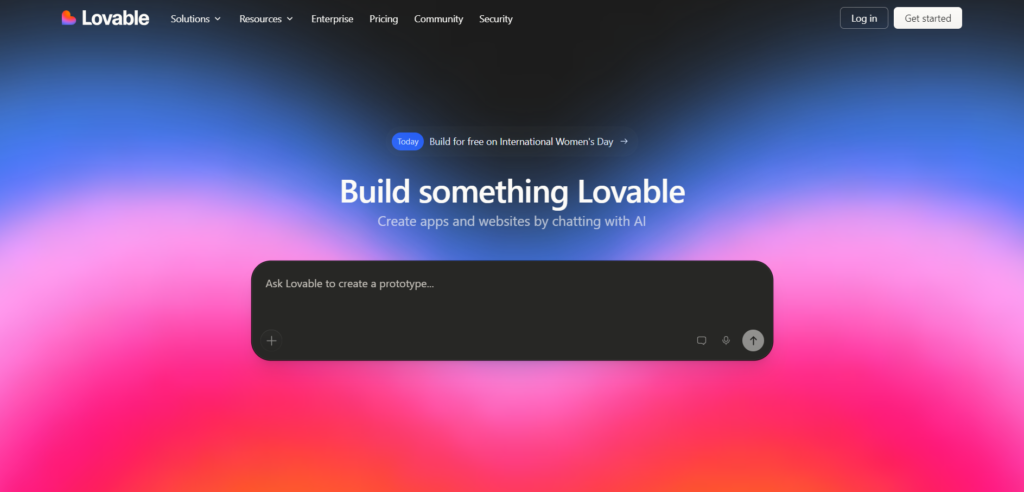
Build Full-Stack Apps with Natural Language
A major trend in 2026 is vibe-coding — building applications simply by describing what you want.
Tools like Lovable and Bolt allow users to say something like:
“Build a SaaS dashboard with login, payment integration, and analytics.”
The AI then generates the entire application.
Deploying in Seconds: From Concept to URL
What makes these tools revolutionary is how fast they work.
In just minutes you can:
- generate a web app
- connect a database
- deploy it live
This opens huge opportunities for entrepreneurs and non-technical founders.
Best for:
Rapid prototyping and startup ideas.
How to Choose the Right Tool for Your Specific Needs
Not every AI tool is suitable for every workflow. Choosing the right one depends on your priorities.
Assessing Cost vs. Utility
Some AI tools offer free versions, but premium plans often unlock powerful features.
Before choosing a tool, consider:
- how often you will use it
- whether it saves you time
- whether it replaces other tools
If a tool saves hours of work each week, it is usually worth the cost.
Privacy and Data Security Considerations
When using AI tools for business, always consider data security.
Best practices include:
- avoiding sensitive data uploads
- using enterprise privacy settings
- reviewing platform policies
This is especially important for companies handling confidential information
Frequently Asked Questions (FAQ)
What is the most powerful AI tool in 2026?
Many experts consider ChatGPT one of the most powerful AI tools due to its multimodal capabilities, advanced reasoning, and wide range of applications
Are there any free AI tools worth using?
Yes. Many AI platforms offer free tiers including:
- ChatGPT
- Gemini
- Perplexity AI
These free versions are often sufficient for basic productivity tasks
How do I protect my data when using AI?
To protect your data:
- Avoid uploading confidential files
- Use trusted platforms
- Enable privacy settings when available
Always review the platform’s data usage policy.
Final Thoughts
AI tools are no longer optional — they are becoming essential productivity partners.
The tools discussed in this article represent some of the most powerful AI platforms available in 2026, and each serves a different purpose.
Personally, I use a combination of these tools to improve my workflow and productivity.
If you want to stay competitive in today’s digital world, learning how to use AI effectively is one of the most valuable skills you can develop.
Now I’d love to hear from you:
Which AI tool are you planning to try first?